Mold is an invisible housemate that no one wants in their home. But even before dark spots appear, the smell often gives away its presence. That’s why many people wonder: What exactly does mold smell like, and how can I be sure I’ve found it?
In this post, we explain how to recognize the typical smell of mold, what differences exist between various types of mold, how to track down the source, and what specific steps you can take.
Short answer: The smell of mold is most often described as musty, earthy, and damp, similar to an old, poorly ventilated basement. Depending on the type of mold, however, it can also smell sweet or have a sharp, chemical odor.
What does mold smell like?
Why Does Mold Smell? The Scientific Explanation
As they grow, mold fungi produce volatile metabolic byproducts known as MVOCs (Microbial Volatile Organic Compounds). These organic compounds—including alcohols, esters, and ketones—are the actual cause of the typical mold odor.
According to the Fraunhofer Institute for Wood Research, the intensity of the odor depends directly on the MVOC concentration in the indoor air. This can range from a few nanograms (ng) to several hundred nanograms per cubic meter, depending on the type of mold, the extent of the infestation, and the ventilation of the rooms.
Important: The Baden-Württemberg State Health Office clarifies that while MVOCs are detectable by smell at typical indoor concentrations, they are generally not directly harmful to health. The spores themselves, however, are dangerous; they can trigger allergic reactions, respiratory diseases, and, in rare cases, serious illnesses.
Typical odor characteristics of mold
Most people affected describe the smell of mold as musty, earthy, and sometimes damp. It is a heavy odor reminiscent of an old, poorly ventilated basement. It often appears even before visible discoloration on the wall is noticeable.
It can be particularly intense in enclosed spaces, such as a room without regular ventilation or in damp corners. Those who are sensitive may quickly develop headaches or a feeling of poor air quality, similar to the musty smell of a washing machine.
What does mold smell like in an apartment?
The smell of mold typically spreads evenly throughout the home if the source cannot be pinpointed. The smell is reminiscent of a mixture of rotting wood, damp books, and musty earth. What is particularly noticeable is that the smell does not simply disappear, even when you ventilate. It clings stubbornly to textiles, carpets, and furniture.
Intense odor, especially in the morning or after showering
Musty odor in damp rooms such as the bathroom or kitchen
Persistent despite open windows
If such signs appear, it’s worth systematically searching for hidden causes.
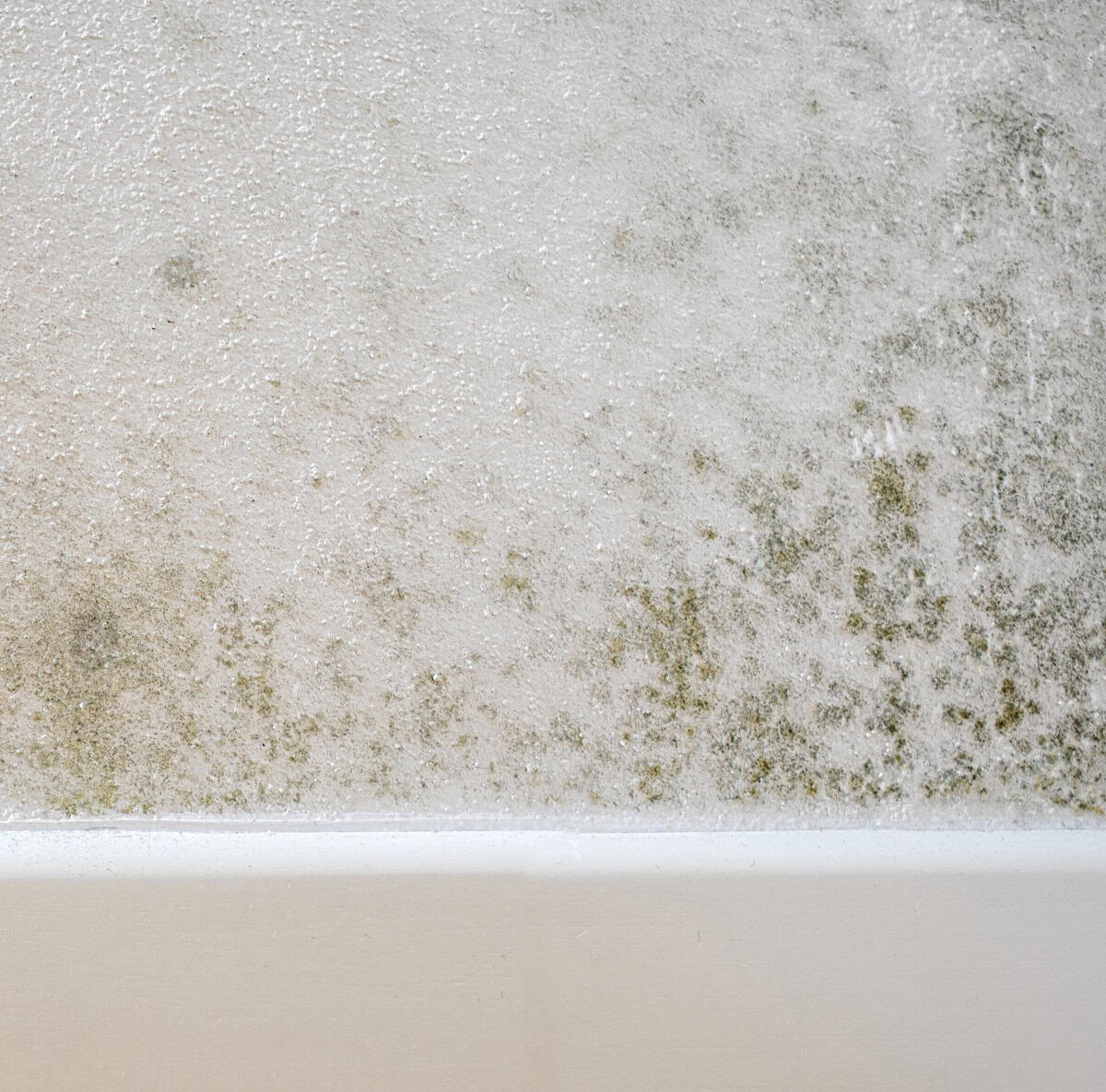
What does mold on the wall smell like?
The smell is usually even more concentrated right next to a wall with mold growth. Often, you can tell by smell that the musty odor can be traced to a specific spot—for example, a corner with condensation or behind a cabinet. Here, it doesn’t just smell musty, but downright “rotten.” As soon as furniture is moved or wallpaper is peeled back, the typical, pungent mold odor becomes very strong.
What does mold smell like? The 4 typical odor profiles
Not all types of mold smell the same. Depending on the type of fungus and the material affected, different odor profiles emerge:
1. Musty-earthy (most common type)
By far the most common mold odor is reminiscent of an old, damp basement, musty soil, or wet books. This odor is primarily caused by geosmin and methylisoborneol compounds, which are also produced by soil bacteria. It occurs in many widespread mold species, such as Cladosporium or Aspergillus.
2. Sweet and fruity
Certain types of mold, including some Penicillium and Trichoderma strains, emit esters and ketones that are reminiscent of fermenting fruit, damp wood, or even a slightly floral scent. Those affected often do not immediately associate this odor with mold—which is why it is particularly treacherous. It is described as deceptively pleasant, as it does not correspond to the classic musty smell.
3. Chemical-pungent / solvent-like
Some MVOCs, such as 3-methylfuran, ethanol, or butanol, produce an odor reminiscent of glue, solvents, or chemical cleaners. This type is often mistaken for off-gassing from building materials or new furniture, so a thorough investigation of the cause is strongly recommended.
4. Fungal / like fresh edible mushrooms
Some people describe the smell of mold as strongly reminiscent of fresh button mushrooms or wild mushrooms. This odor is caused by 1-octen-3-ol, a compound also found in edible mushrooms. In living spaces, this odor quickly becomes unpleasant and intense.
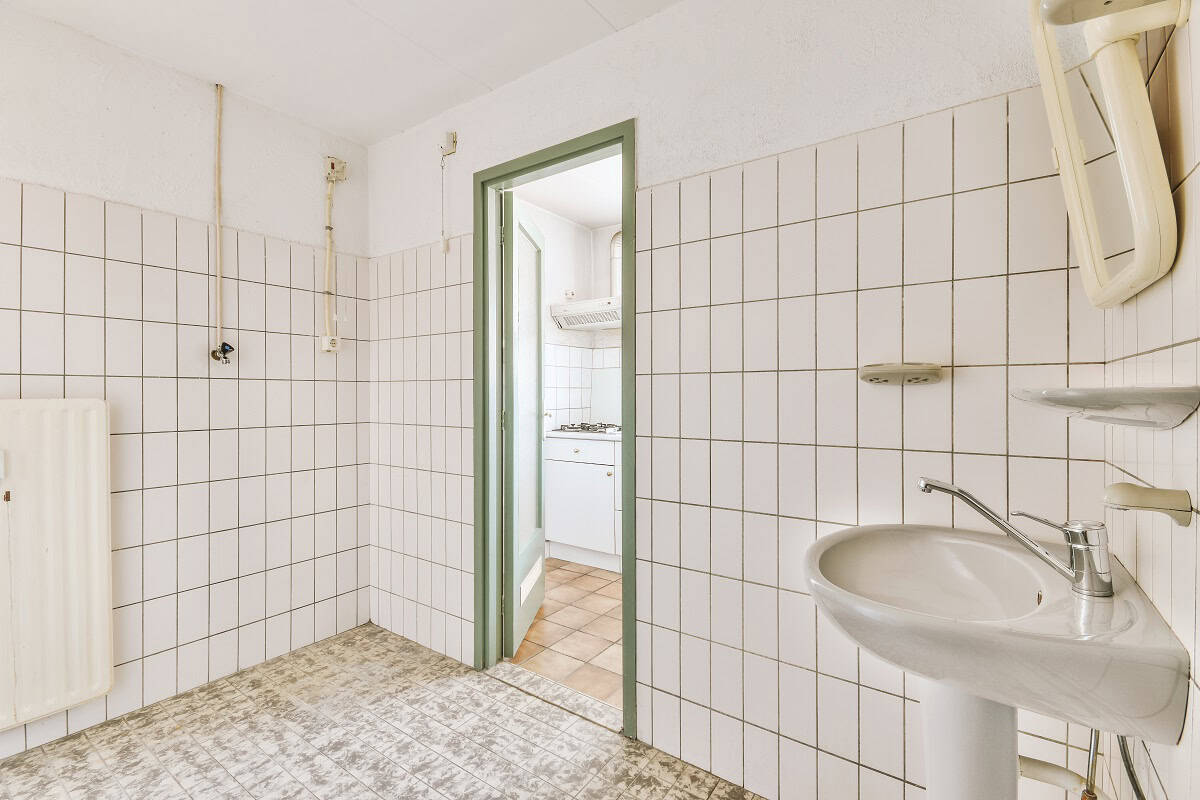
Does mold smell sweet?
Some people report that mold smells sweet. Certain types of mold, in particular, release volatile organic compounds that resemble the smell of fermenting fruit or damp wood. The smell is often described as slightly musty, yet with a sweet component that surprises many. This smell should not be underestimated under any circumstances, as even sweet-smelling mold can pose health risks.
What does mold smell like in a room?
In a room, the smell often becomes noticeable when humid air meets inadequate ventilation. Bedrooms and children’s rooms are particularly at risk because moisture is regularly generated there through breathing. A characteristic feature is that the mold odor in the room becomes stronger when the door remains closed for an extended period. Unlike common household odors such as cooking fumes or fresh laundry, it does not disappear on its own.
What does black mold smell like?
Black mold is considered particularly dangerous. Its smell is typically musty, often even more pungent than that of other types. It resembles wet soil or garden soil in the rain. It frequently develops in very damp environments such as bathrooms or poorly insulated basements. Anyone who notices such a smell and spots dark spots should act immediately—not only because of the property damage, but also because of the health risks that black mold can pose.
Why does mold smell that way?
As it grows, mold produces various metabolic byproducts known as MVOCs (microbial volatile organic compounds). These are what cause the characteristic odor. Depending on the type of mold and the environment, the smell can be earthy, musty, or sweet. This is a phenomenon we’re familiar with in everyday life from other processes: just as a foul odor develops with tonsil stones in the throat, decomposition processes occur in mold that are immediately noticeable (see Causes of Tonsil Stones).
Health Effects of Mold
Many people wonder whether the smell of mold alone is dangerous to health. In fact, it can cause headaches, nausea, or fatigue in sensitive individuals. However, the key point is this: Where there is a smell of mold, there is usually mold as well. This means that, in addition to the smell, spores are present in the air that pose health risks.
Smell mold but can’t see it? Here’s how to find the source
One of the most common and concerning scenarios is when you smell mold but can’t find any visible spots. This doesn’t mean there’s no mold—quite the opposite. Mold tends to grow in hidden places:
- Behind large cabinets and furniture against exterior walls
- Under carpeting and laminate flooring (especially after water damage)
- In drop ceilings and crawl spaces
- In and behind drywall structures
- Around window sills and roller shutter boxes
- Behind wall paneling and wallpaper in damp corners
Tip: Try to pinpoint the source of the odor by systematically checking rooms and corners. The odor is much more concentrated right at the source of the mold and is often described as pungent or “stale.” Move furniture and ventilate areas that are rarely accessible. If the odor is particularly strong when entering a room or becomes intensely noticeable after showering, the mold is likely in that room.
Mold Odor in the Bedroom
The bedroom is particularly at risk. Breathing and sweating produce significant amounts of moisture each night. A characteristic sign is that the odor becomes stronger when the door remains closed for an extended period. Particularly critical areas include the exterior walls behind the bed, the space under the bed, and poorly ventilated closets.
Mold odor in the bathroom
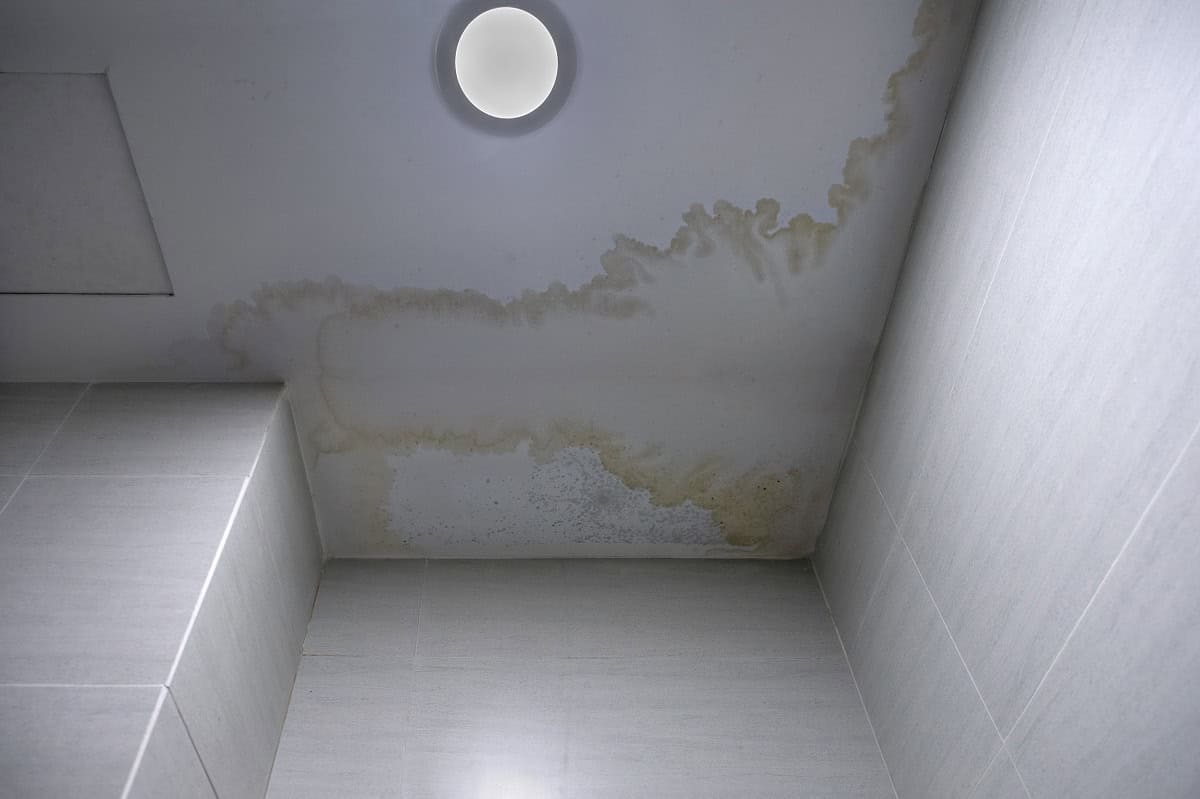
In the bathroom, mold often forms behind silicone caulking, on the ceiling above the shower or bathtub, and under the floor of built-in cabinets. Here, the odor is often intense and particularly strong after showering, as heat and moisture accelerate the release of MVOCs.
Mold odor throughout the apartment
If the odor spreads evenly throughout the entire apartment, the source is often difficult to locate. Possible causes include mold in the basement that travels up through the stairwell, mold in the ventilation system, or a large-scale infestation behind wall paneling. In such cases, it is advisable to consult a mold expert.
A good rule of thumb is: If an unusual odor occurs that does not disappear with ventilation, you should take a closer look. Just like with spring cleaning (see spring cleaning tips), a thorough inspection often reveals the causes.
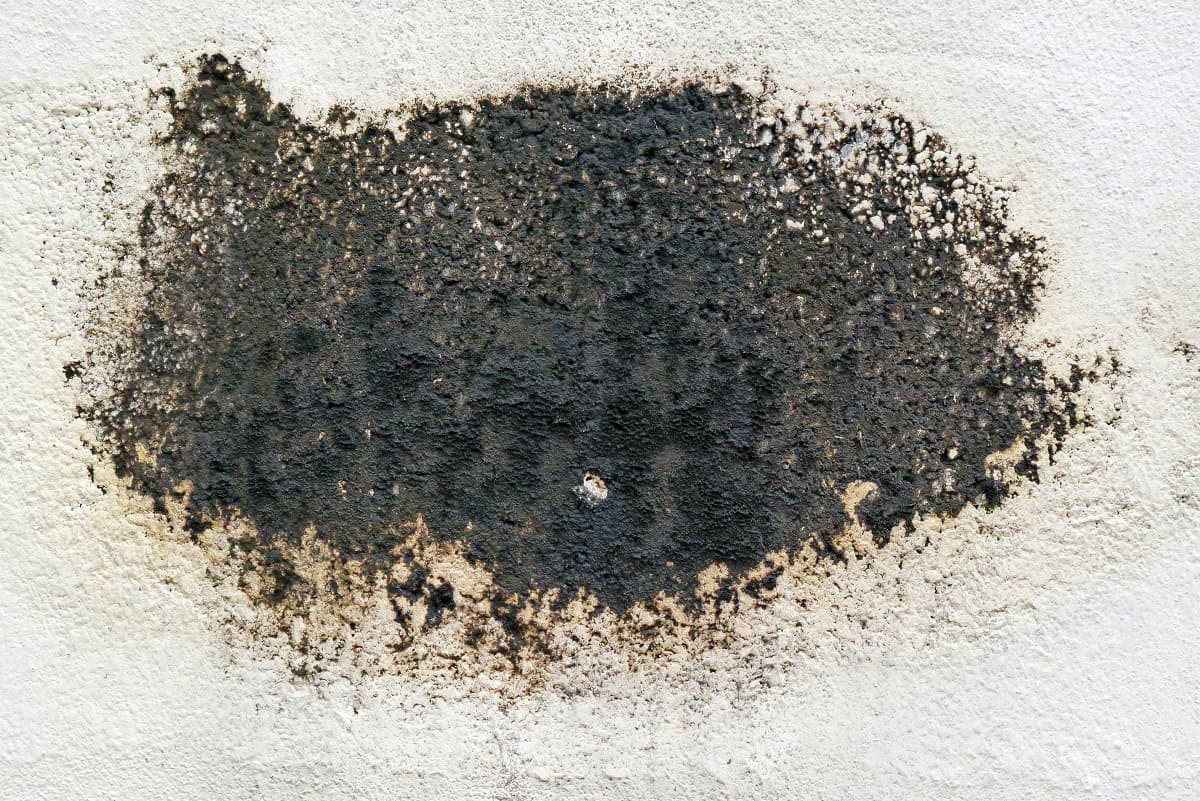
What does black mold smell like—and why is it particularly dangerous?
Black mold (often Stachybotrys chartarum) is considered one of the most concerning types of mold found indoors. Its odor is typically particularly intense, musty, earthy, and pungent, often described as “wet earth after heavy rain” or “musty basement soil.”
It tends to grow on permanently damp, cellulose-containing materials such as drywall, wallpaper, and wood—typically following water damage or chronic moisture issues. Anyone who notices such an odor and discovers dark gray to black spots should act immediately. Do not attempt to remove it yourself; instead, contact a professional company.
Mold Odor and Health: What You Need to Know
According to the German Federal Association for Mold Remediation (Bundesverband Schimmelpilzsanierung e.V.), the range of health risks posed by mold extends from mild symptoms to serious illnesses, although severe cases are relatively rare in healthy adults.
Common symptoms of indoor mold exposure:
- Persistent fatigue and exhaustion
- Headaches, especially in the morning after waking up
- Increased susceptibility to infections and cold symptoms
- Allergic reactions: sneezing, runny nose, watery eyes
- Asthma symptoms or shortness of breath (especially in those with pre-existing conditions)
It is not the smell itself that is the actual health problem, but the spores present in the air. The Pharmazeutische Zeitung therefore describes mold as a “dangerous housemate,” especially for people with respiratory diseases, allergies, young children, and immunocompromised individuals. The U.S. Environmental Protection Agency provides detailed information on mold.
Smell of mold – what now? Step-by-step guide
Step 1: Don’t just mask the smell – find the source
Air fresheners and scented candles only mask the smell temporarily. They don’t eliminate the mold or the health hazard. Instead, start a systematic search for the cause (see section above).
Step 2: Determine the extent
If the affected area is smaller than 0.5 m², you can usually treat it yourself. For larger areas, black mold, or if anyone is experiencing health symptoms, you should hire a professional company.
Step 3: Eliminate the cause
If the source of moisture isn’t eliminated, the mold will return. Common causes include improper ventilation, inadequate insulation, structural defects (e.g., leaky pipes, missing vapor barriers), and thermal bridges in the exterior wall.
Step 4: Ventilate properly and take preventive measures
- Ventilate thoroughly for 5–10 minutes 2–3 times a day (cross-ventilation is ideal)
- Place furniture at least 5–10 cm away from exterior walls
- Do not overwater houseplants; they also increase humidity
- Do not dry laundry indoors (or ventilate thoroughly while doing so)
- Keep an eye on humidity levels with a hygrometer. The target range is 40–60%
Konnten wir Dir mit unserem Service helfen?
Klicke auf die Sterne um zu bewerten! 5 ist die Bestzahl.
Durchschnittliche Bewertung 0 / 5. Anzahl Bewertungen: 0

Frequently Asked Questions About the Smell of Mold
Am stärksten ist der Geruch direkt an der betroffenen Wand oder am Möbelstück, meist muffig und feucht-erdig.
Ja, einige Schimmelarten sondern süßlich wirkende Stoffe ab. Dieser Geruch sollte ernst genommen werden.
Der Geruch selbst ist ein Warnzeichen. Er bedeutet, dass Sporen in der Luft sind, die gesundheitsschädlich sein können.
Nein. Das Lüften schwächt den Geruch kurzfristig, beseitigt aber nicht die Ursache. Der Schimmel muss beseitigt werden.
Typisch ist, dass der Geruch immer wiederkehrt, auch nach dem Lüften, und sich schwer von anderen Gerüchen unterscheidet. Eine genaue Kontrolle des Raums bringt Klarheit.
Die MVOCs sind in üblichen Innenraumkonzentrationen laut Forschungslage in der Regel nicht direkt schädlich. Das eigentliche Risiko geht von den Sporen aus, die bei Schimmelbefall in der Luft vorhanden sind.
Das ist ein häufiges Szenario. Schimmel versteckt sich hinter Möbeln, unter Böden oder in Hohlräumen. Systematisch alle schwer zugänglichen Stellen prüfen – bei anhaltendem Geruch ohne Befund einen Gutachter hinzuziehen.
Unter optimalen Bedingungen (hohe Feuchtigkeit, Wärme) kann Schimmel innerhalb von 24–48 Stunden zu wachsen beginnen. Geruchlich wahrnehmbar wird er meist erst nach einigen Tagen bis Wochen, je nach Umfang des Befalls.
Ja. Laut Bundesverband Schimmelpilzsanierung e.V. sind speziell ausgebildete Schimmelspürhunde sehr zuverlässig beim Aufspüren versteckter Schimmelquellen, besonders wenn keine sichtbaren Befunde vorhanden sind.

Wunder Po, strahlende Haut – und eine große Frage: Darf ich eigentlich Windelcreme verwenden, wenn ich Stoffwindeln nutze? Die kurze Antwort: Ja, aber nicht jede. Die längere Antwort findest du hier. Windelcreme und Stoffwindeln Warum
Mold is an invisible housemate that no one wants in their home. But even before dark spots appear, the smell often gives away its presence. That’s why many people wonder: What exactly does mold smell

The fascinating spectacle of the northern lights is among the most impressive natural phenomena we can experience on our planet. The glowing displays of color in the night sky captivate people from all over the world, often

Do you have a musty smell in your apartment and don't know how to get rid of it? Don't worry, you're not alone. In this article, you will learn how to effectively eliminate the musty